Chapter 10 : Service, service processes, and service quality Service as the foundation of the guest experience
Service as the foundation of the guest experience
Service is at the core of all food and hospitality operations. It shapes the guest experience, strengthens the image of the business, and can determine whether a guest returns or chooses to go elsewhere. Good food cannot compensate for poor service, whereas good service can elevate the experience of even moderately good food.
The service process and the first point of contact
The service process begins with the first point of contact with the restaurant, whether through a phone call, social media, or at the entrance. A clear process, a consistent approach, and a professional manner are essential in creating a positive first impression.
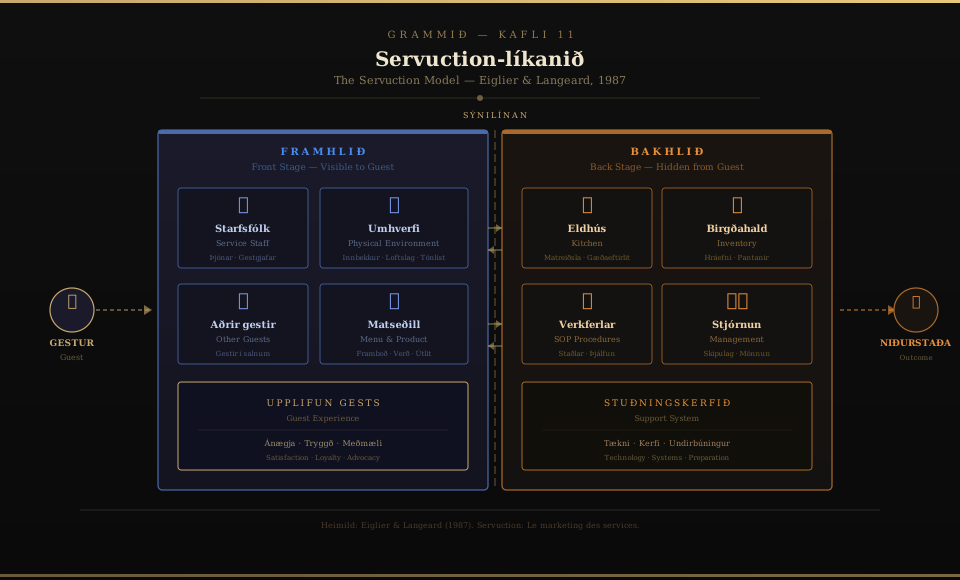
The service process model, often referred to as the servuction model, demonstrates how the front stage of service, including the guest, the staff, and the physical environment, and the back stage, including preparation, the kitchen, and operating procedures, work together to create the overall guest experience (Eiglier & Langeard, 1987).
Service style and characteristics of different operating formats
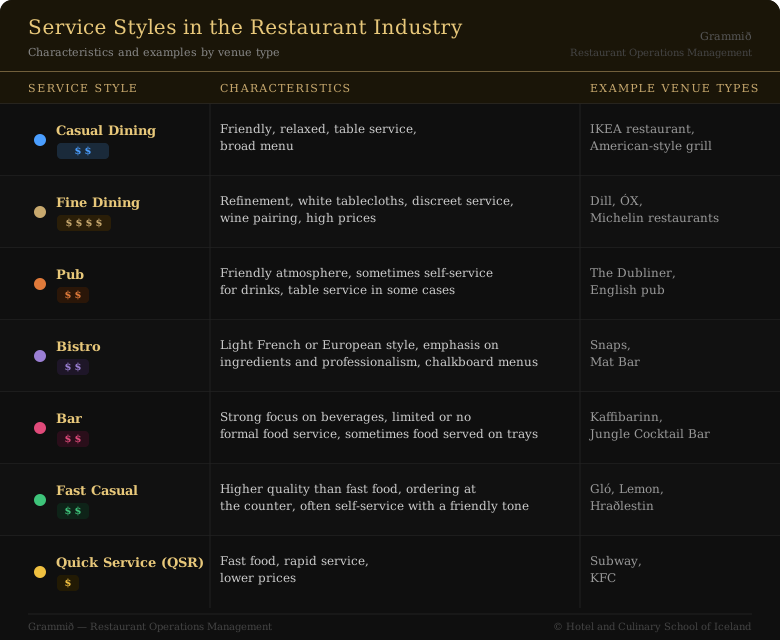
The service style reflects the strategic positioning of the establishment and must remain consistent in language, dress, manner, and procedures. Examples of common service styles include the following:
The impact of service quality on guest experience and behaviour
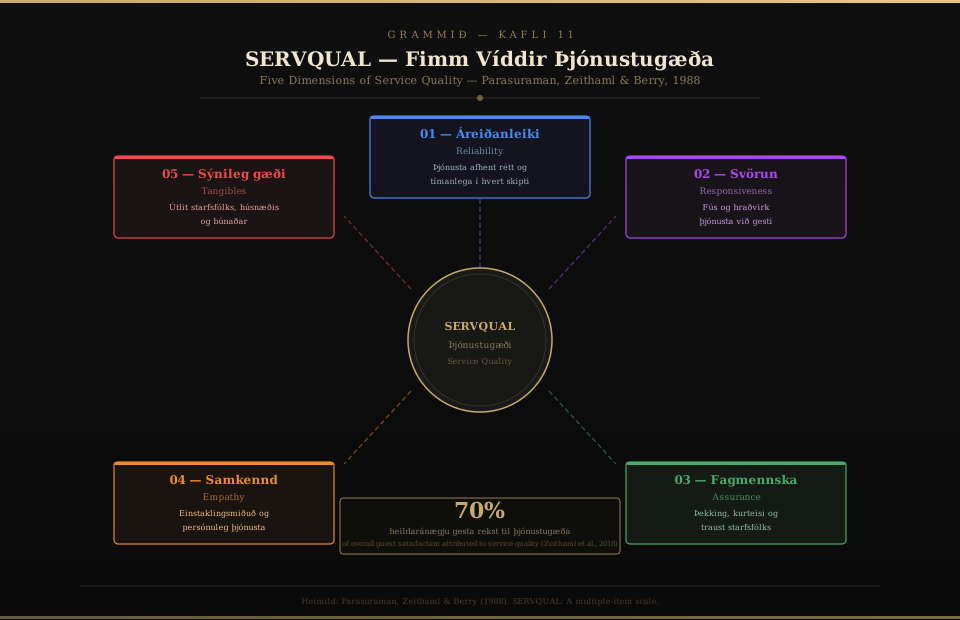
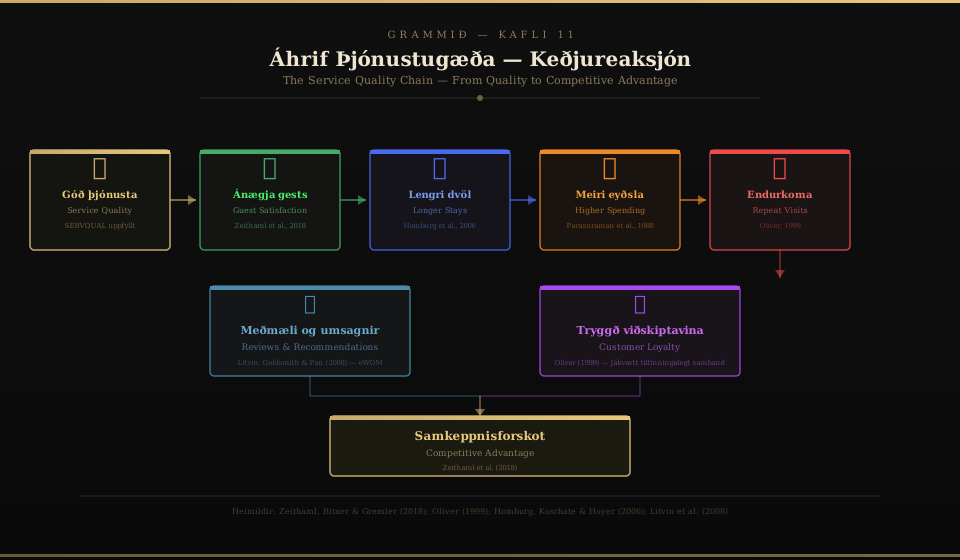
Service quality is crucial to the overall experience of guests in restaurants, hotels, and other hospitality settings. Satisfaction with service encourages guests to stay longer, spend more, return in the future, and recommend the establishment to others. Research has shown that approximately 70% of overall guest satisfaction can be directly attributed to service quality (Zeithaml, Bitner, & Gremler, 2018), highlighting the importance of delivering excellent service at every point of contact.
When service meets or exceeds guest expectations, it creates positive emotional connections that encourage longer stays. Homburg, Koschate, and Hoyer (2006) argue that satisfaction has a direct positive impact on customer goodwill and thereby encourages guests to remain longer, both to enjoy the destination itself and to use additional services.
Service quality and guest spending
Average guest spending also increases alongside service quality. When staff members are attentive to guest needs and offer upgrades, personalised recommendations, or tailored service solutions, the likelihood increases that guests will make use of additional services such as restaurants, spa facilities, or leisure activities. Parasuraman, Zeithaml, and Berry (1988) developed the SERVQUAL instrument to evaluate service quality, and findings from numerous studies indicate that higher SERVQUAL scores are associated with greater guest expenditure within the establishment.
Service, loyalty, and repeat visits
Satisfaction with service also has a significant effect on repeat visitation. Oliver (1999) defines customer loyalty as one of the ultimate goals of service providers, and this loyalty is partly based on the positive emotional relationship that develops when service is consistently strong. When guests perceive the service process to be smooth and carefully managed, for example in reception, table service, and complaint handling, a sense of trust and security is created that increases the likelihood of return visits.
Reviews, recommendations, and reputation
Finally, recommendations and reviews play a central role in attracting new guests. Electronic word-of-mouth, such as reviews on booking platforms and social media, has been shown to have a decisive influence on tourist and customer decision-making (Litvin, Goldsmith, & Pan, 2008). Although a large proportion of guest satisfaction may derive from service quality, it is the spread of positive reviews that can multiply these effects and create competitive advantage (Zeithaml et al., 2018). By encouraging guests to share their experiences and by responding professionally to feedback, businesses can strengthen their image and improve future service delivery.
Guest experience
Service as a holistic experience
Overall, service forms the foundation of a positive guest experience. It influences how long guests stay, how much they spend, whether they return, and how likely they are to speak positively about the establishment to others. Businesses should therefore focus on the continuous improvement of service processes, train staff in interpersonal communication, and make use of data on guest behaviour and expectations in order to maximise service quality at every stage of the customer journey.
An example of outstanding service in fine dining
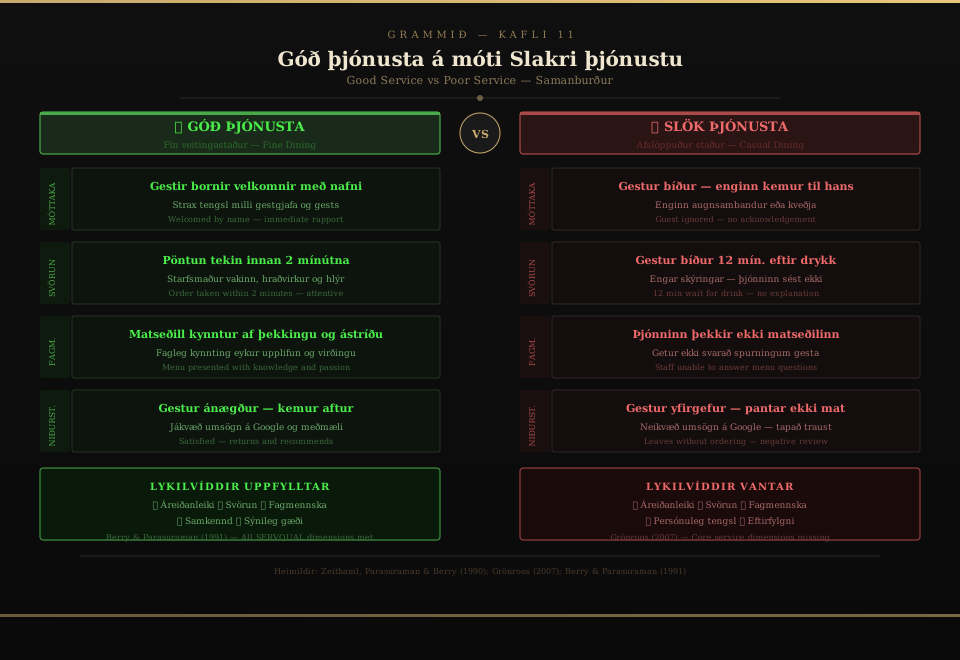
As an example of reception in a high-end restaurant, service is based on a purposeful and personalised experience in which the guest is prioritised from the moment of arrival. When a guest is welcomed by name, an immediate connection is created between host and customer, strengthening the sense of respect and individualised service (Bitner, Booms, & Tetreault, 1990).
The balance between formal courtesy and warmth ensures that the guest experiences professionalism without the interaction becoming rigid or impersonal. This aligns with theories of service climate, according to which a positive work environment leads to better relationships between employees and customers (Schneider, White, & Paul, 1998). When food and beverages are presented with professionalism and respect, emphasis is also placed on the company’s product base and the creativity of the chef, thereby strengthening the image of the establishment as refined and desirable (Mattila & O’Neill, 2010). Such conduct contributes to higher customer satisfaction because all dimensions of service quality, including reliability, responsiveness, professionalism, personal interaction, and tangible quality cues, meet guest expectations (Parasuraman, Zeithaml, & Berry, 1988).
Fine Dining Etiquette Guide
An example of poor service in a casual restaurant
In the contrasting example, where a misunderstanding occurs in a casual restaurant, the service is much less structured and is not based on clear procedures or clearly assigned responsibility. When a guest waits up to twelve minutes before being offered a drink, with no explanation provided, this reflects a lack of responsiveness and reliability (Zeithaml, Parasuraman, & Berry, 1990).
The server’s lack of overview, which becomes visible in delayed attention at the table, undermines guest trust in the business (Grönroos, 2007). When the guest leaves without ordering food and posts a negative Google review, the negative experience is confirmed in a way that may have broader consequences for the restaurant’s reputation in digital communities (Ladhari, 2009). This experience fails to meet the standards of good service because responsiveness is weak, reliability is lacking, and the interaction is impersonal. As a result, the guest experiences stress rather than satisfaction.
Comparing good and poor service
The reason why the first example represents successful service and the second does not lies in the fundamental dimensions of service quality. In the first example, emphasis is placed on individualised attention, professionalism, and clear procedures that meet, and in some cases exceed, guest expectations. This contributes to a positive assessment of the experience and strengthens loyalty (Berry & Parasuraman, 1991).
In the second example, such emphasis is absent. Staff fail to deliver basic beverage service, do not ensure security and flow in the service process, and do not create a personal connection. The result is dissatisfaction and lost trust. This contrast highlights the importance of aligning every dimension of service quality in order to ensure overall customer satisfaction (Grönroos, 2007; Zeithaml et al., 1990).
Let your guests draw all over the tablecloths
Staff training and the maintenance of service quality
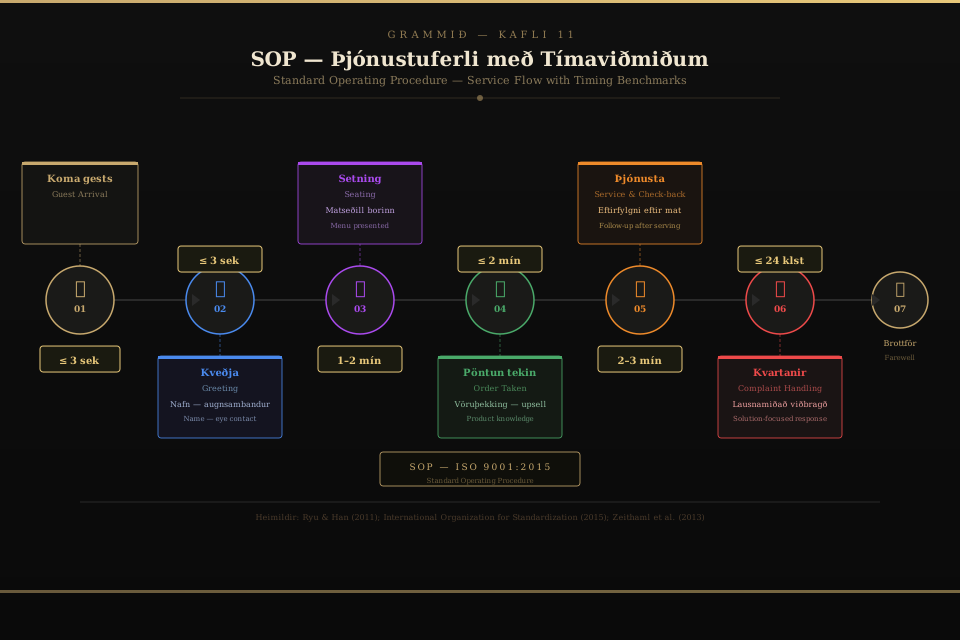
In order to maintain a high level of service, training must be multifaceted, systematic, and repeated regularly. At the beginning of the training process, strong emphasis should be placed on greeting guests, with the aim that all staff members acknowledge guests within the first three seconds of their arrival in the space. This benchmark ensures that guests experience a warm and attentive atmosphere from the very first moment (Zeithaml, Bitner, & Gremler, 2013).
Training in product knowledge includes detailed introduction to the food and beverage range, including ingredients, production methods, and tasting, so that staff can build the confidence needed to answer questions and make appropriate recommendations (Parasuraman, Zeithaml, & Berry, 1985). Staff must also be trained in professional complaint handling, with particular emphasis on active listening, solution-oriented responses rather than excuses, and follow-up that ensures the resolution has a genuine impact on the guest experience (Tax, Brown, & Chandrashekaran, 1998).
Standardisation of procedures: SOP in service
To clarify training and daily action, it is necessary to define clear and detailed standardisation through a Standard Operating Procedure (SOP) system. According to ISO 9001:2015, an SOP consists of written procedures that define who is responsible for which tasks, when they are to be performed, and according to which quality standards (International Organization for Standardization, 2015).
Examples of such standards in hospitality operations include:
- greeting within 3 seconds
- order taking within 2 minutes after seating
- first check-back 2–3 minutes after food or beverages are served
- complaint resolution within 24 hours (Ryu & Han, 2011)
Roles and responsibilities in the service process
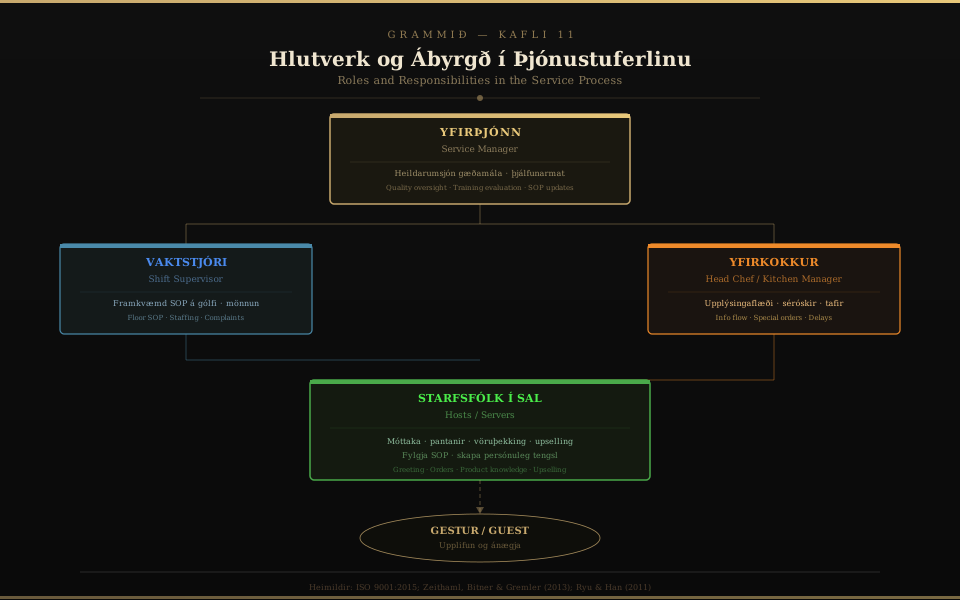
SOP documents should also define the key roles within the service system:
Service Manager oversees service quality, evaluates training outcomes, leads regular service meetings, and updates SOP documents in line with operational development.
Shift Supervisor ensures that SOP standards are implemented on the floor, is responsible for daily staffing according to the roster, makes sure staff are informed about changes, and handles complaints immediately.
Hosts and Servers are responsible for following greeting standards, taking orders, understanding the product range, and engaging in upselling in line with training and organisational policy.
Head Chef or Kitchen Manager manages the flow of information between the kitchen and the service team, ensures that guest requests and special orders are fulfilled, and reports delays or disruptions that may affect service delivery.
Scheduling, staffing, and forecasting
Scheduling systems and staff allocation must take account of peak periods, guest demand, and operational efficiency. Staff rosters are best organised through forecasting models based on sales history, seasonal fluctuations, and planned events (David, 2017). It is also advisable to use flexible on-call shifts in order to respond to unexpected peaks in demand.
Service surveys and mystery guests
In addition, it is important to implement regular service surveys and mystery guest evaluations. Such methods provide an objective picture of actual service performance and reveal both strengths and weaknesses in day-to-day operations (Goldstein, Johnston, Duffy, & Rao, 2002).
When a mystery guest submits a report, attention is typically given to reception timing, staff product knowledge, speed of service, attitude, and complaint handling. This approach supports consistent quality standards and helps identify which aspects require further training or revision within SOP procedures.
Conclusion
Overall, systematic training, clear operating procedures, and standardised quality criteria form a strong foundation for consistent and high-quality service. By defining who does what, when, and according to which standards, it becomes possible to ensure that all parts of the service chain operate in alignment toward the shared objective of excellent guest service.