14.4 Blueprint
A visual representation of the service process, for example in the form of a flowchart or service blueprint, identifies step by step how the service flows from the guest’s initial arrival to their departure.
In such a flowchart, the interaction with the customer is typically viewed vertically in terms of foreground activities, staff interactions behind the scenes (backstage), and support processes such as inventory management and technical services (Shostack, 1984). This type of visual overview makes it easier for staff to understand their roles, identify possible barriers or bottlenecks, and plan improved responses.
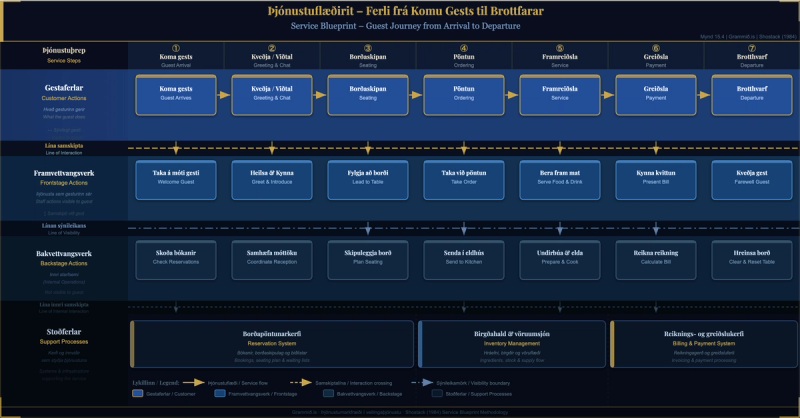
Figure 14.4: Service Flowchart – The Process from Guest Arrival to Departure
Customer Actions:
- Guest arrival
- Greeting / initial contact
- Seating
- Ordering
- Service of food and beverages
- Payment
- Departure
Line of Interaction:
The boundary between what the guest experiences directly and the internal processes that take place behind the scenes.
2. Frontstage Actions:
- Welcoming the guest and escorting them to the table
- Taking the order
- Serving food and beverages
- Final guest interaction (receipt, farewell)
3. Backstage Actions:
- Kitchen operations (preparation and cooking)
- Internal order system (sending the order to the kitchen)
- Operations and coordination behind the scenes
4. Support Processes:
- Table reservation system (bookings, waiting list)
- Inventory management and stock control
- Billing and payment system