7.4 Marketing
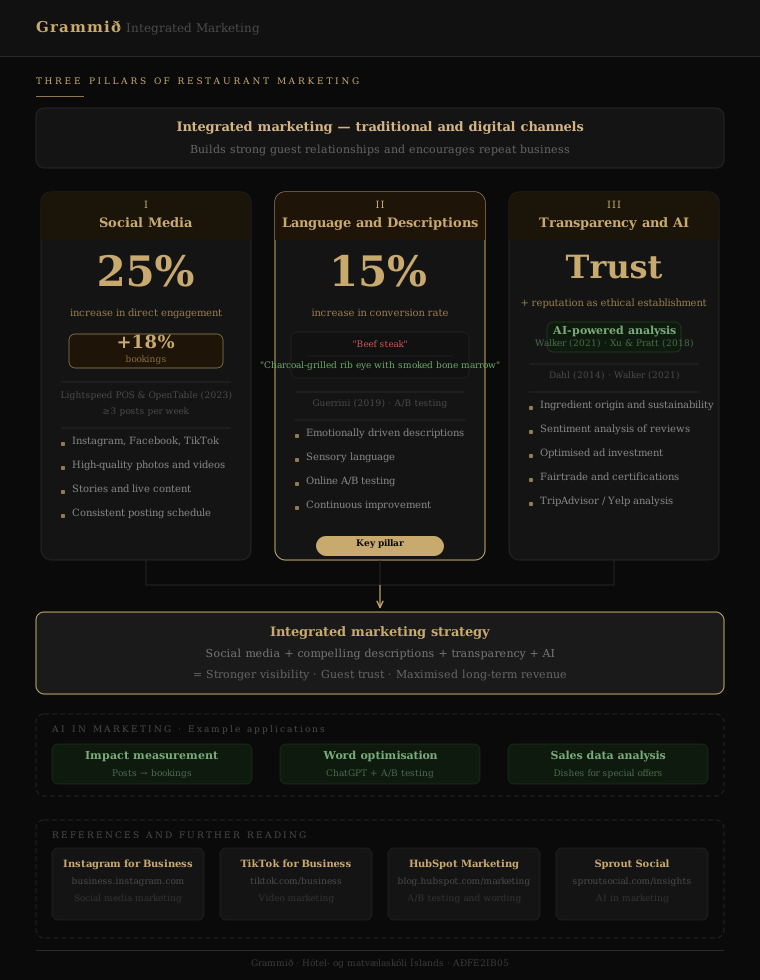
Integrated marketing that combines traditional and digital channels builds strong guest relationships and encourages repeat business.
Social media stands out in particular: through regular posting of high-quality photos, short videos and stories on Instagram, Facebook and TikTok, restaurants can reach guests in the channels where they are most active. A study by Lightspeed POS & OpenTable (2023) showed a 25% increase in direct engagement and an 18% increase in bookings for restaurants that post at least three times per week on these platforms. Reference guides for participants include Instagram for Business and TikTok for Business .
Menu descriptions online and in advertising affect conversion rate. A/B tests show that emotionally and sensorially driven descriptions can increase conversion rate by up to 15% (Guerrini, 2019).
The phrasing "charcoal-grilled beef rib eye with smoked bone marrow and jus" evokes stronger sensory responses compared to "beef steak". A good reference for A/B testing and the impact of wording is the HubSpot Marketing Blog (https://blog.hubspot.com/marketing). Responsibility and transparency matter increasingly.
When restaurants publish information about the origin of ingredients, display sustainability certifications and share stories from farmers, trust and reputation as an ethically conscious establishment are strengthened (Dahl, 2014). One approach is to feature a Fairtrade-certified product list in a dedicated section on the website or menu.
AI in marketing offers real-time monitoring of promotional content, keyword research and fine-tuned A/B testing that maximises guest response. Machine learning models can analyse sentiment in reviews (TripAdvisor, Yelp) and direct advertising investment toward the channels that deliver the best results (Walker, 2021; Xu & Pratt, 2018). The Sprout Social Insight Center (https://sproutsocial.com/insights/) is a good example of practical AI marketing case studies. By integrating these channels and tools — social media, compelling menu descriptions, transparency and accountability, and AI — restaurants can develop a holistic marketing strategy that strengthens visibility, builds trust and maximises long-term revenue.
$200 wall outperformed a $2,000 ad campaign
Why This Cheap Cup Makes Starbucks Rich
How do we capture interest?
- Use of high-quality photos and videos (especially online)
- Active presence on social media (Instagram, Facebook, TikTok)
- Menu descriptions built on emotion and sensory language (e.g. "garden delicacy" vs. "vegetable soup")
- Responsibility and verification: showing ingredient origin, sustainability and ethics
AI and marketing — AI can:
- Measure the impact of promotional content (how well posts convert to bookings)
- Assist with word choice in descriptions to maximise conversion (e.g. ChatGPT + A/B testing)
- Analyse sales data and identify dishes suited for special offers