GrammiðVefbók
GrammiðGrammið

© 2026 Grammið. Allur réttur áskilinn.

Introduction
Chapter 1 : Fundamentals of Restaurant Operations
Chapter 2 : Ingredients and Yield Loss
Chapter 3 : Cost analysis and ingredient valuation
Chapter 4 : Inventory management
Chapter 5 : Technology, Automation, and Artificial Intelligence in Kitchen Operations
Chapter 6 : Pricing, Contribution Margin and Cost Control
Chapter 7 : Sales, Marketing and the Psychology of the Menu
Chapter 8 : Inventory Management, Internal Controls and Food Safety
Chapter 9: Standardisation and Description of Ingredients and Dishes
9.1 What is standardisation?9.2 Skráning hráefna og vörulýsing9.3 Structuring standardised recipes9.4 The positive effects of standardisation and digital integration9.5 Integration with inventory systems and AI support9.6 Exercises and examples9.7 References
Chapter 10 : Service, service processes, and service quality Service as the foundation of the guest experience
Chapter 11 : Digital reviews and online visibility
Chapter 12 : From Concept to Operation
Chapter 13 : Operational Metrics and Performance Management
Chapter 14 : Process Design and Service Flow
Chapter 15 : The future of restaurant operations: challenges and opportunities
Chapter 16 : Glossary
Closing worda

9.5 Integration with inventory systems and AI support

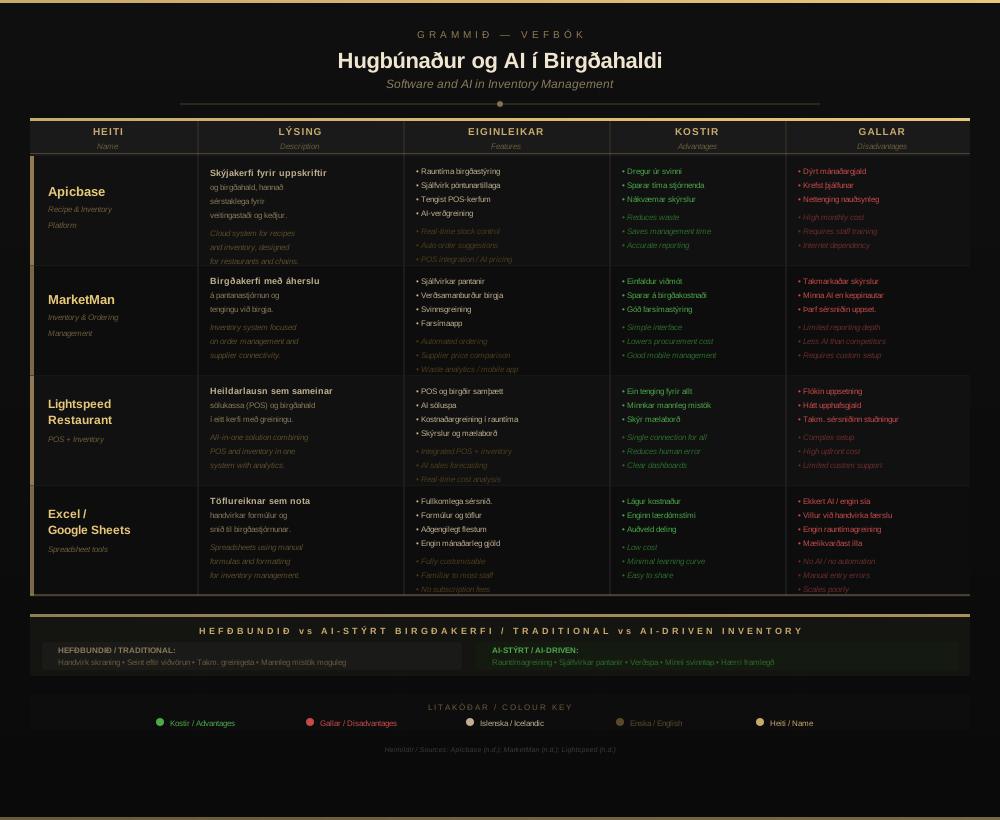
Today, many restaurants use specialised digital systems to manage inventory and recipes. When a recipe is entered into the system, it is linked directly to the actual stock position in storage. If an AI system detects that the price of chicken breast has increased by fifteen percent over the past two weeks, it can automatically send a notification recommending that the recipe be reviewed or that the price of the dish be adjusted.

With automated inventory monitoring, managers gain a continuous overview of what is currently in stock and what needs to be ordered. An AI system can forecast usage based on previous sales and identify periods in which price changes are likely to occur. This reduces cost uncertainty and improves contribution margins (Apicbase, n.d.; MarketMan, n.d.).

Table on software and AI in inventory management
Ai